
Slim Laptop Sleeves for Urban Professionals
Urban commuters who move between transit, meetings, and co-working spaces benefit most from a slim laptop sleeve that balances protection, portability, and professional style. A well-chosen sleeve shields devices from knocks and rain while fitting inside backpacks, briefcases, or a shoulder tote without excess bulk. With the U.S. average one-way commute at about 27.6 minutes in 2019 and increasing multimodal trips since 2018, minimizing weight and managing space has become a practical priority for office and field professionals alike.
Why slim sleeves matter and key benefits
Slim sleeves reduce carry volume while keeping laptops ready for security checks, cafes, and handoff to assistants. Primary advantages include faster mobility through airports and transit, reduced load on shoulders, and a cleaner silhouette for client-facing meetings. For devices weighing between 1.2 kg and 2.0 kg (2.6–4.4 lbs), a sleeve that adds less than 200 g preserves the ergonomic benefit of lightweight machines. Additional benefits are easier integration with a briefcase, quicker access at checkpoints, and lower risk of catching on seatbacks or office door handles. Select a sleeve that matches daily habits: frequent flyers need impact protection and water resistance, while city cyclists value reflective details and secure closures.
Essential features: materials, protection, fit, closures, weatherproofing
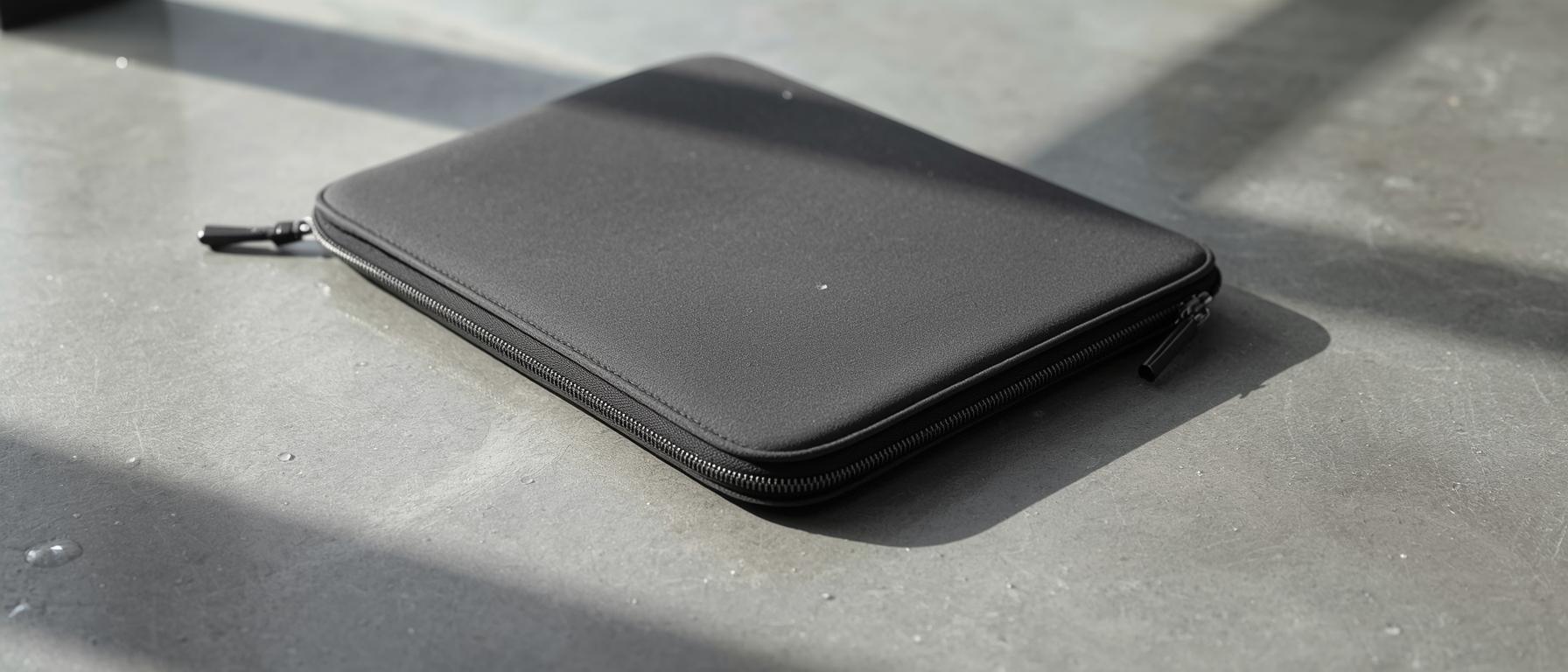
Materials and construction determine durability, appearance, and environmental footprint. Leather conveys premium presence and ages well but adds weight. Neoprene gives slim, form-fitting shock resistance and is common for 13-inch models. Cordura and ballistic nylon combine abrasion resistance with low weight and are favored by commuters who store sleeves inside backpacks. Recycled polyester and plant-based fabrics answer sustainability goals while meeting functional needs.
Padding and impact absorption vary from thin closed-cell foam to layered memory foam. Effective solutions balance thin profile with high energy dispersion; look for sleeves rated for drops equivalent to 1.2 meters when tested in independent reviews. Fit and sizing are crucial: modern laptops come in 11–16 inch classes. A sleeve that is 10–12 mm wider than device footprint accommodates a protective case or cables while preventing slippage.
Closures influence speed and security. Full zippers provide secure enclosure and lockability on some models. Magnetic flaps allow single-handed access and maintain a slim profile for controlled environments. Elastic slip-in sleeves are fastest but offer minimal theft deterrent. Water resistance ranges from DWR-coated fabrics to fully welded seams with waterproof zippers; the latter is essential for frequent travelers or commuters in rainy cities.
Here is a practical comparison of common materials and their trade-offs for urban professionals:
| Material | Typical Weight Impact | Protection Level | Weather Resistance | Aesthetic / Suitability |
|---|---|---|---|---|
| Full-grain leather | +200–400 g | Low-moderate against shocks, good abrasion | Moderate with treatment; not ideal for heavy rain | Premium, formal, ideal for client meetings |
| Neoprene | +50–150 g | Moderate cushioning, conforms to shape | Good water repellency | Casual to business casual; sleek profiles |
| Ballistic/cordura nylon | +100–250 g | High abrasion resistance, good padding potential | Excellent with coated finishes | Utilitarian, commuter-friendly |
| Recycled polyester (eco fabrics) | +80–200 g | Varies by construction, improving rapidly | Moderate to good with laminates | Sustainable look, versatile for mixed-use |
| Waxed canvas | +180–350 g | Moderate abrasion resistance, molds over time | Water resistant when treated | Rustic, creative-professional settings |
Design, organization, security, sustainability, price
Design should align with professional settings. Neutral colors such as black, charcoal, navy, or deep tan maintain formality while textures like pebble leather or matte nylon hide wear. Branding is best minimal for client-facing roles. Organization matters: integrated card slots and slim cable channels reduce clutter in pockets of a briefcase. Security features to consider include RFID-blocking sleeves for badge or card pockets, lockable zipper pulls for air travel, and reinforced seams to deter tampering.
Sustainability options have expanded. Brands such as Patagonia and Fjällräven began scaling recycled materials and transparent supply chains by the late 2010s; expect price premiums of 10–30 percent for certified ethical manufacturing. Entry-level sleeves from mass retailers can cost $15–$35 and meet basic needs. Mid-range options from $50–$100 combine better materials and protective features. Premium designer sleeves typically range from $120–$300 and prioritize leather, artisan finishes, or brand cachet.
Choosing, care, testing, common mistakes, and buying channels
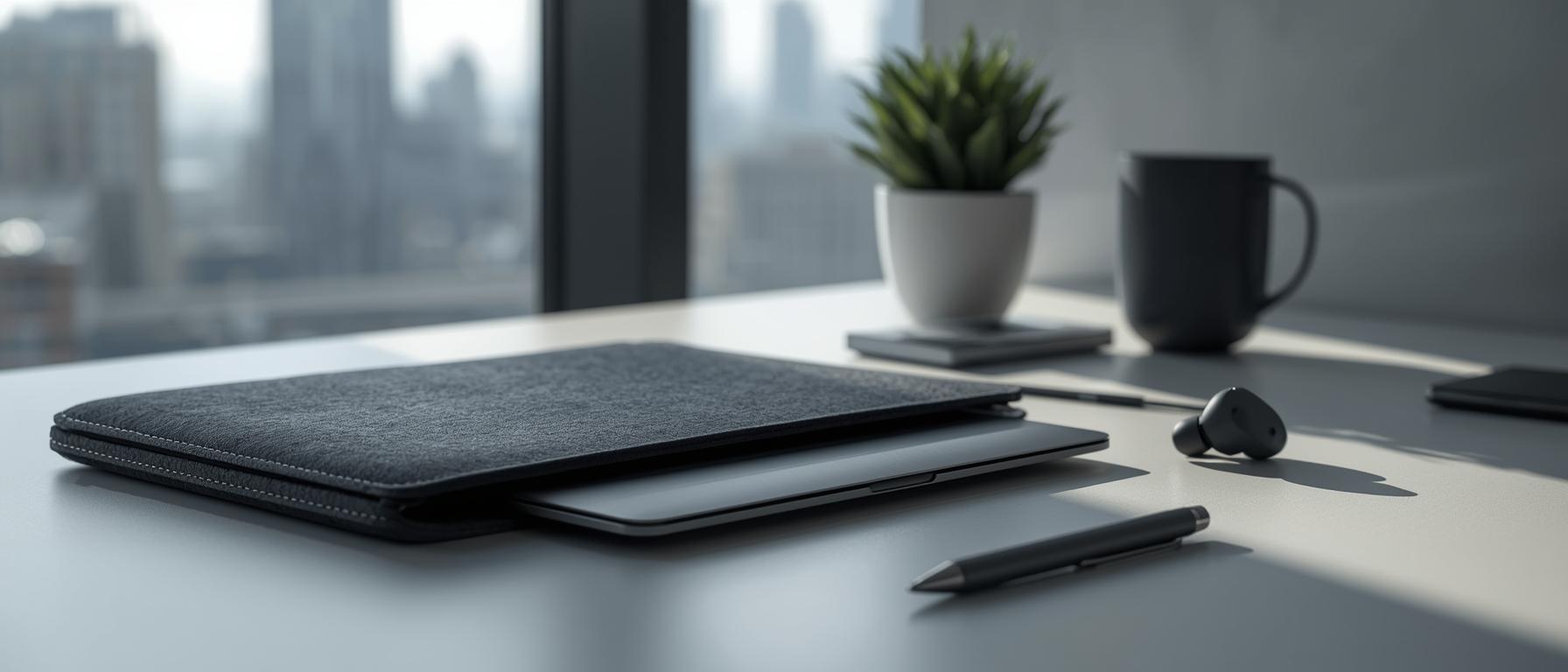
Selecting the right sleeve starts with precise measurements of laptop length, width, and thickness. Allow for accessories if routinely stored inside the sleeve. Avoid buying by nominal device size alone; a 13.3-inch ultrabook can be wider than competing models. Common mistakes include choosing a too-loose sleeve that shifts inside a bag, picking an unlined leather finish without water treatment, and prioritizing style over protective padding for frequent travelers.
Maintenance extends product life: wipe nylon or neoprene with a damp cloth weekly in high-use scenarios; apply leather conditioner semiannually; follow manufacturer washing instructions for eco fabrics. Real-world testing relies on drop, abrasion, and seam stress trials; consult independent reviews from tech outlets and user feedback on verified purchase pages.
For daily commuters, prioritize low weight, abrasion resistance, and quick access. Frequent travelers need water-resistant closures and higher impact performance. Minimalist professionals should choose slim neoprene or tightly woven nylon with a clean finish.
Where to acquire sleeves: major electronics retailers carry mainstream models for immediate fitting. Direct-to-consumer brands often list full specifications and behind-the-scenes manufacturing information. Online marketplaces offer variety but verify seller reputation and return policy. When purchasing in person, test the sleeve with the laptop, a small power brick, and a cable to confirm fit, closure function, and ease of insertion for multimodal commutes that combine bike, rail, and walking.